We keep choosing RØDE because we love the sound: pristine, clean, beautiful audio.
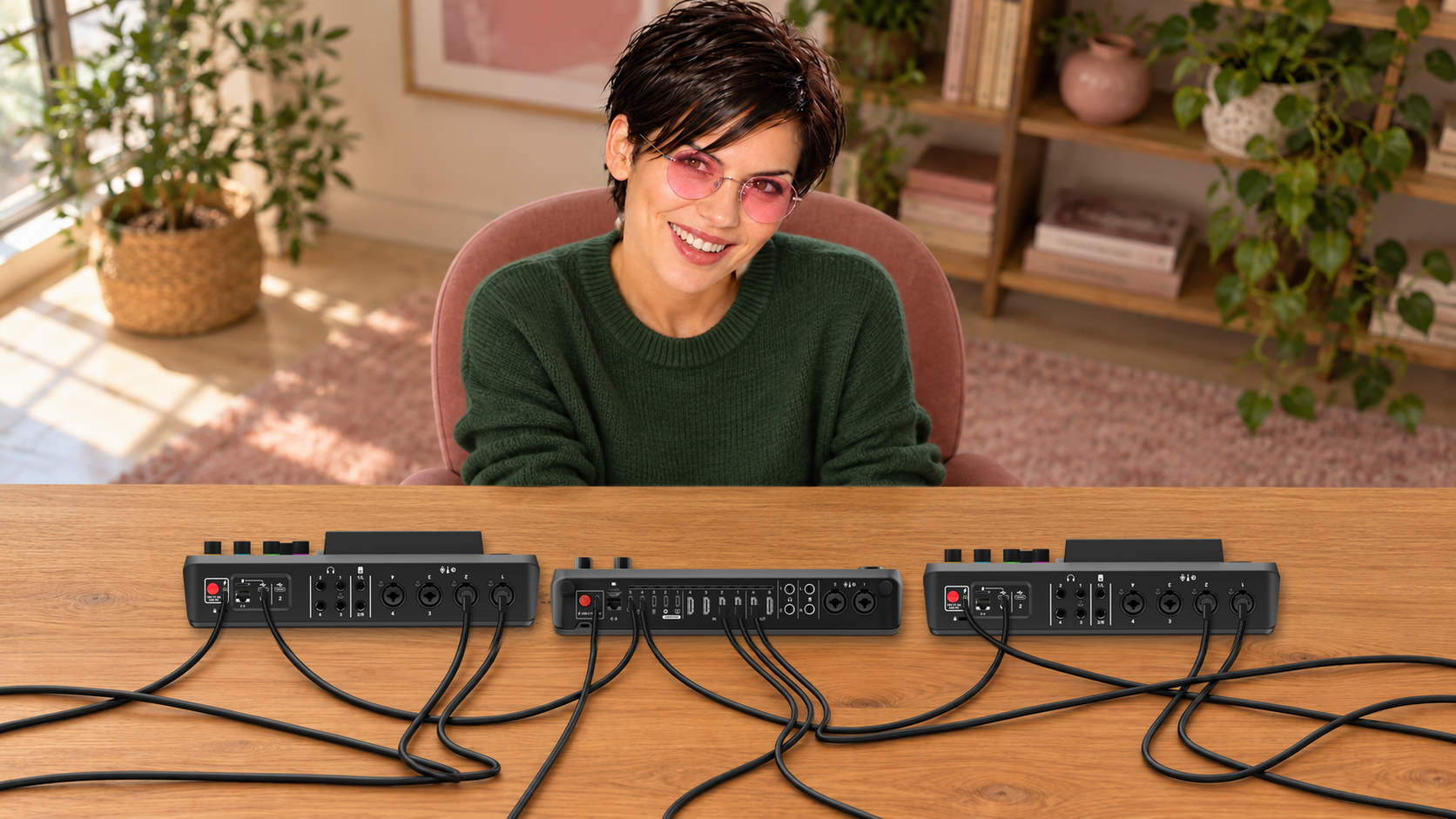
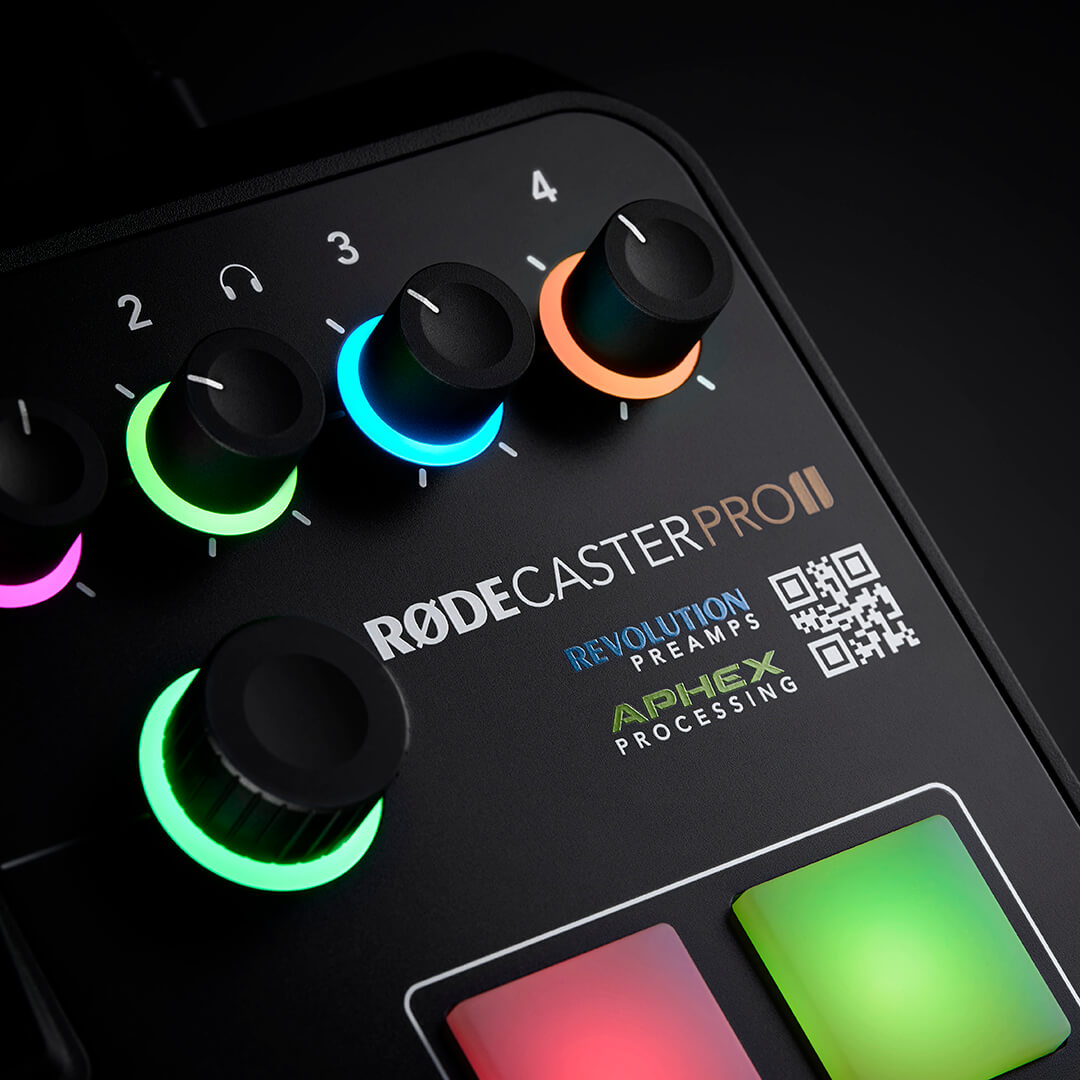
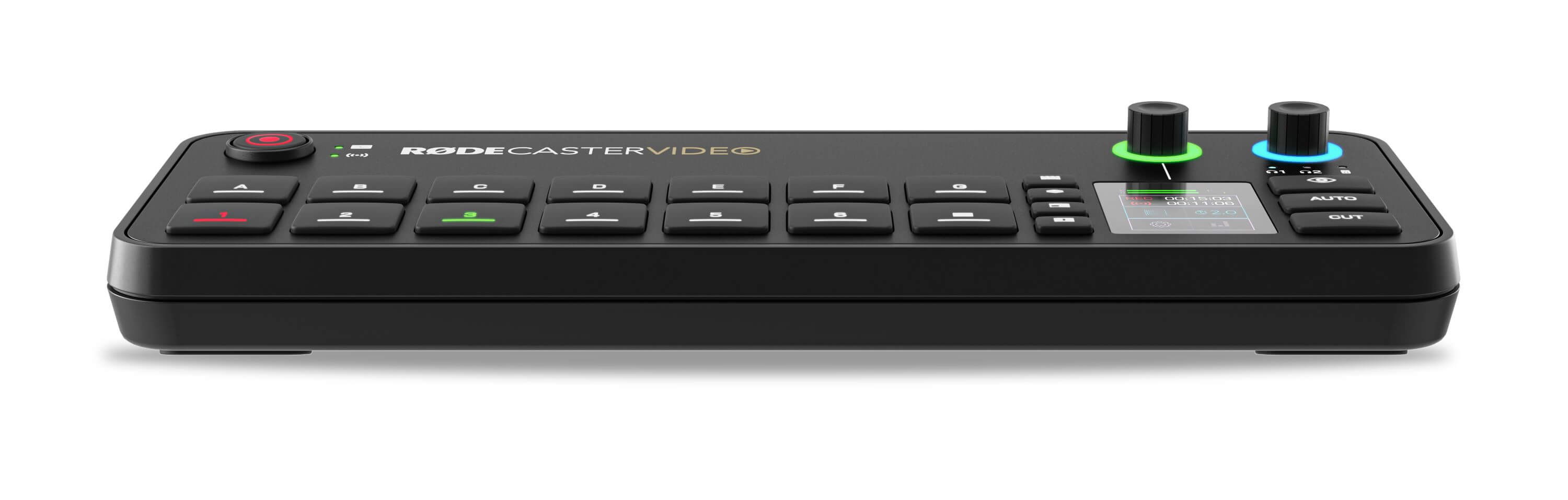
Our production setup includes two RØDECaster Pro IIs and a RØDECaster Video. These are tools we use for our work, and we’re enthusiastic about what they make possible.
Neal has used Apple products for most of his life, and the hardware Apple made during the Steve Jobs years set a standard for him. RØDE gives him that same enthusiasm about the tools he uses to create. As he puts it: “RØDE is the Apple of audio.”
The audio is the reason we keep coming back
There are plenty of features to compare when you shop for production equipment. For us, the strongest recommendation is simple: we love the audio we get from this hardware.
Neal listens to NPR all day, every day. He appreciates the soft, soothing audio and the information he trusts. That sound is a reference point for the quality we want in our own productions.
We use two Pro IIs for our usual music work, and the RØDECaster Video brings RØDE into the video side of our setup. What RØDE achieves for podcasting and content creation feels perfect for our workflow. We want to take that same sound quality and approach into larger live music and event productions.
Here’s the equipment we use:
Affiliate links. As an Amazon Associate I earn from qualifying purchases.
Hardware that keeps gaining capabilities
RØDE has added meaningful capabilities to existing hardware through firmware updates. The Pro II gained support for compatible RØDE USB microphones, giving owners another way to bring a microphone into their setup.
The RØDECaster Video’s free firmware 1.4 update added dedicated 4K capture and distribution modes, along with broader RØDECaster Sync integration. That dedicated 4K mode trades some switching functions for multi-camera capture and distribution.
Those are useful additions to equipment people already own.
How the live setup works
For live production, we use iOS devices running RØDE Capture as cameras. They send their video wirelessly across our eero mesh Wi-Fi network, which is connected to the Peplink router, with the feeds coming into the RØDECaster Video through NDI.
The local Wi-Fi network carries the camera feeds to the production console. For the separate job of sending our livestream out to viewers, we use cellular internet through the router. That lets us broadcast from locations where venue internet isn’t available, provided there’s enough cellular coverage and upload capacity.
Our connection uses a Calyx Institute Sprout membership, which provides an unlimited-data SIM on T-Mobile’s network for a compatible device. The membership is currently $500 a year. Coverage and network conditions still matter, so unlimited data doesn’t mean guaranteed livestream performance.
Browse eero mesh Wi-Fi systems on Amazon · Affiliate link.
Peplink MAX BR1 Mini CAT 7 on Amazon · Affiliate link.
RØDE’s setup guide describes this local-network approach: enable NDI in Capture, keep the devices on the same network, and select the Capture feed as a network source on the console.
When we ran into inconsistent NDI behavior in this setup, we contacted RØDE. The Australian phone support agent was very helpful, and Alex P followed up by email to gather details and offer further assistance. At the next live event, the setup worked perfectly. That was one successful live event, and we don’t need further support at the moment. We’ll get back in touch if the issue returns.
What we wish RØDE would build
We love what this equipment already does. Our wish list is about extending that quality and flexibility to the practical demands of larger live music and event productions.
Remote control for our Capture cameras
The software has room to improve, especially in the camera controls available to the person running a live production.
We want to adjust our Capture cameras remotely: change the zoom, set exposure, and bring down bright highlights when stage lighting leaves performers’ faces and heads overexposed. We want to make those adjustments from the production position instead of going to each device.
Capture has controls on the camera device itself. What we want is access to those controls remotely, through a companion iOS app or directly through the RØDECaster system.
RØDE already documents pan, tilt, zoom and focus control for compatible network PTZ cameras. In our experience, the control we get with other NDI cameras hasn’t carried over to our Capture-based setup. Useful remote zoom and exposure controls would make a real difference during live events.
More physical mic inputs, with the same flexibility
The Pro II has four physical XLR/TRS combo inputs, so it can take four XLR microphones directly. Those sockets also accommodate line-level sources and instruments. They’re part of a much broader system of configurable USB, Bluetooth and other audio sources, with flexible channel assignments and routing.
That flexibility is a big part of the appeal. For our usual music work, though, we need more physical microphone connections than one Pro II provides, which is why we use two.
We’d love a larger RØDECaster designed for live music and events: at least eight physical XLR mic inputs, ideally sixteen, with line-input flexibility and the configurable digital sources and routing we already value.
The dream is to scale what RØDE does so well for podcasting and content creation into a console built for bigger live productions. Keep the clean, beautiful audio and the flexible approach. Give us room for the microphones and instruments those events need.